
A stuffed olive, and everything else around it
Ascolane olives are the dish everyone knows, but the cooking of the Marche is mostly fish soup and pork.
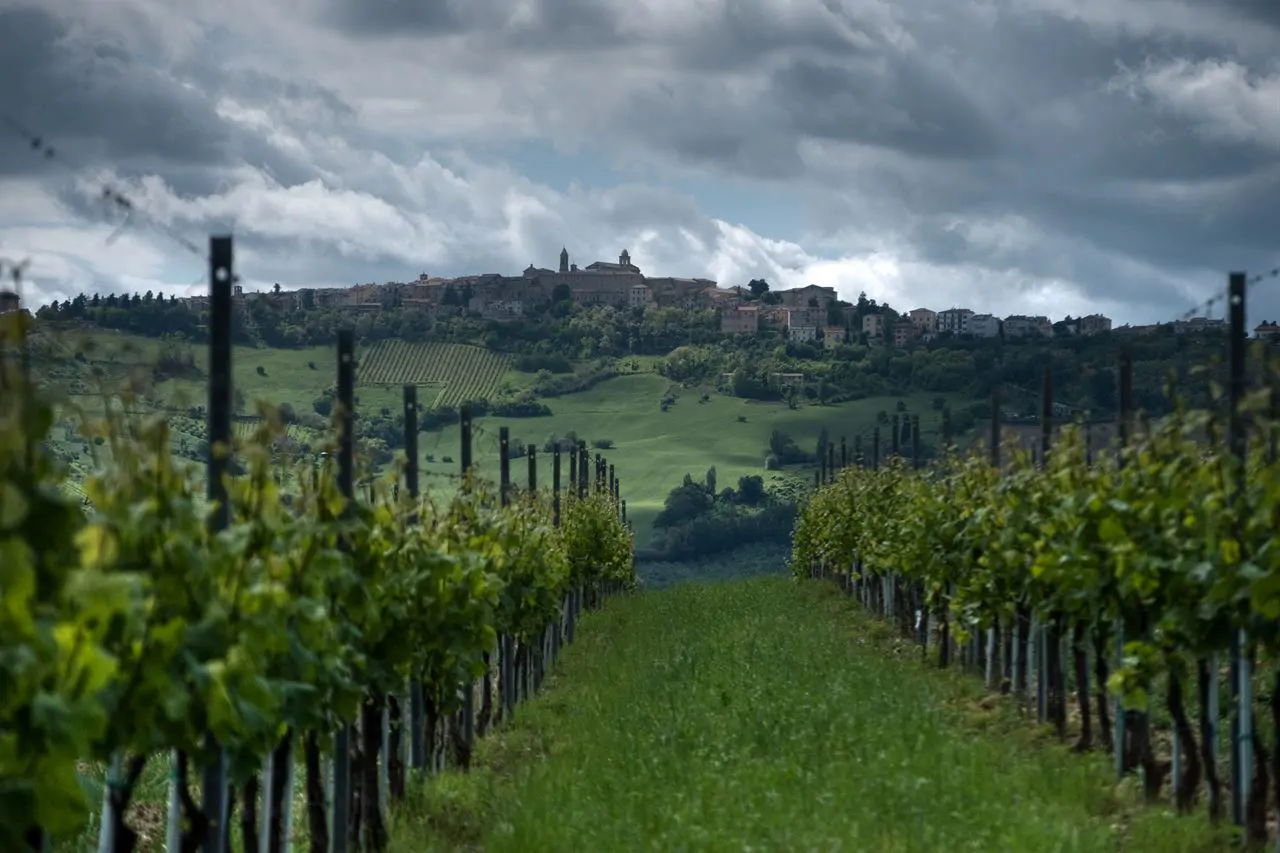
Like the landscape, the cooking of the Marche is divided by valley: the food of the sea does not resemble that of the hills, and the southern Piceno does not resemble the Montefeltro. What holds it together is the simplicity of the ingredients and a certain abundance.
The olives
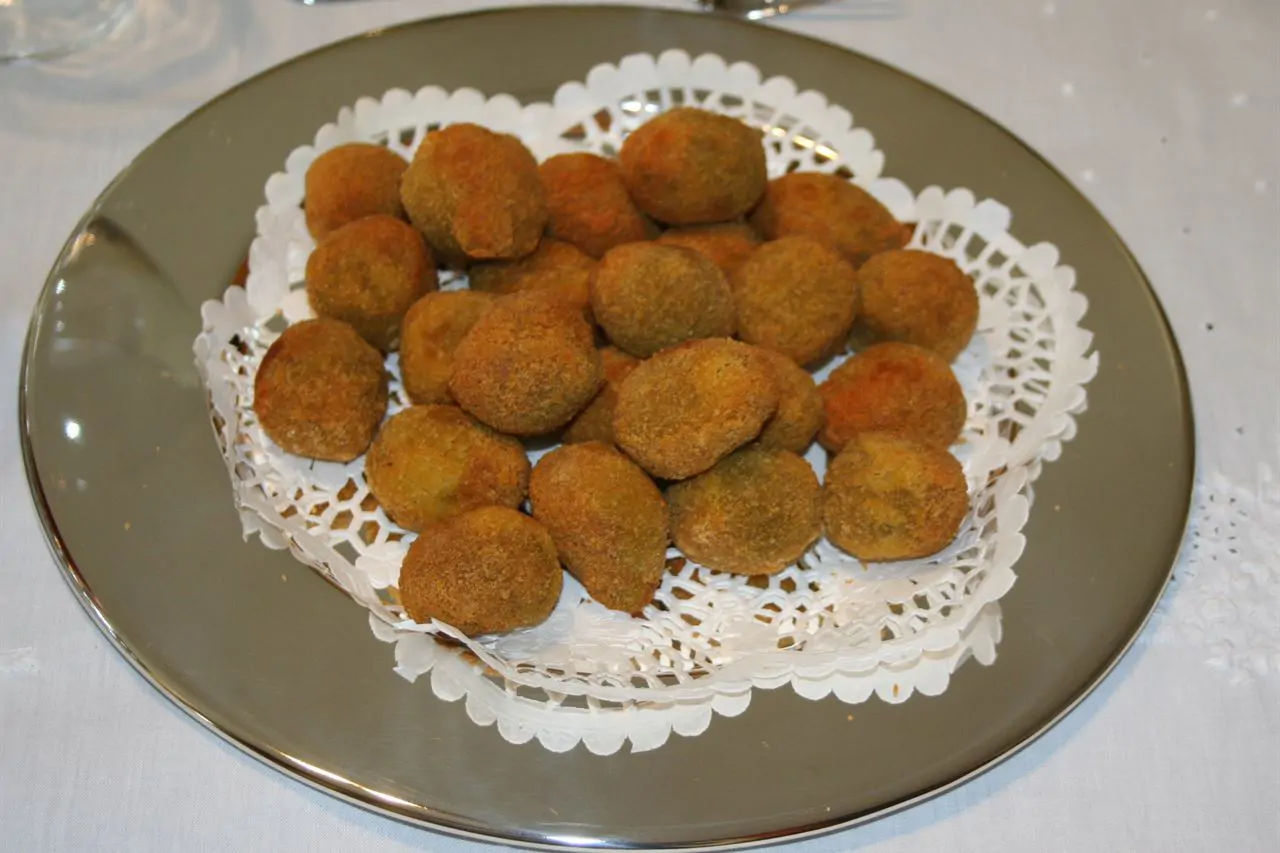
The ascolana olive of the Piceno is a large, tender variety that is stoned by hand, filled with a stuffing of three meats, breaded and fried. Making them takes time, which is why the real ones cost money and the frozen ones do not. In Ascoli they are eaten as a starter or in a paper cone, walking.
From the sea
Brodetto is the Adriatic fish soup and it changes from port to port: the Ancona version wants thirteen kinds of fish and tomato, the Porto Recanati one is yellow with saffron and has no tomato, the San Benedetto one has vinegar and peppers. None of the three is negotiable with the person making it.
From the land
Vincisgrassi is the lasagne of the Marche, richer and made with a ragu of giblets. Ciauscolo is a pork salami so soft it is spread on bread. The crescia sfogliata of Urbino is a flatbread made with lard and eggs. In the hills rabbit is cooked in porchetta, with wild fennel.
To drink
Verdicchio dei Castelli di Jesi is the best-known white of the Marche and ages far better than its reputation as a summer wine suggests. Rosso Conero is made from montepulciano on the slopes of the mountain. Rosso Piceno comes from the south, and the Vernaccia di Serrapetrona is a sweet sparkling red unlike anything else.