
A region with a plural name, and not by accident
A million and a half people, five provinces, and no city that dominates the others.
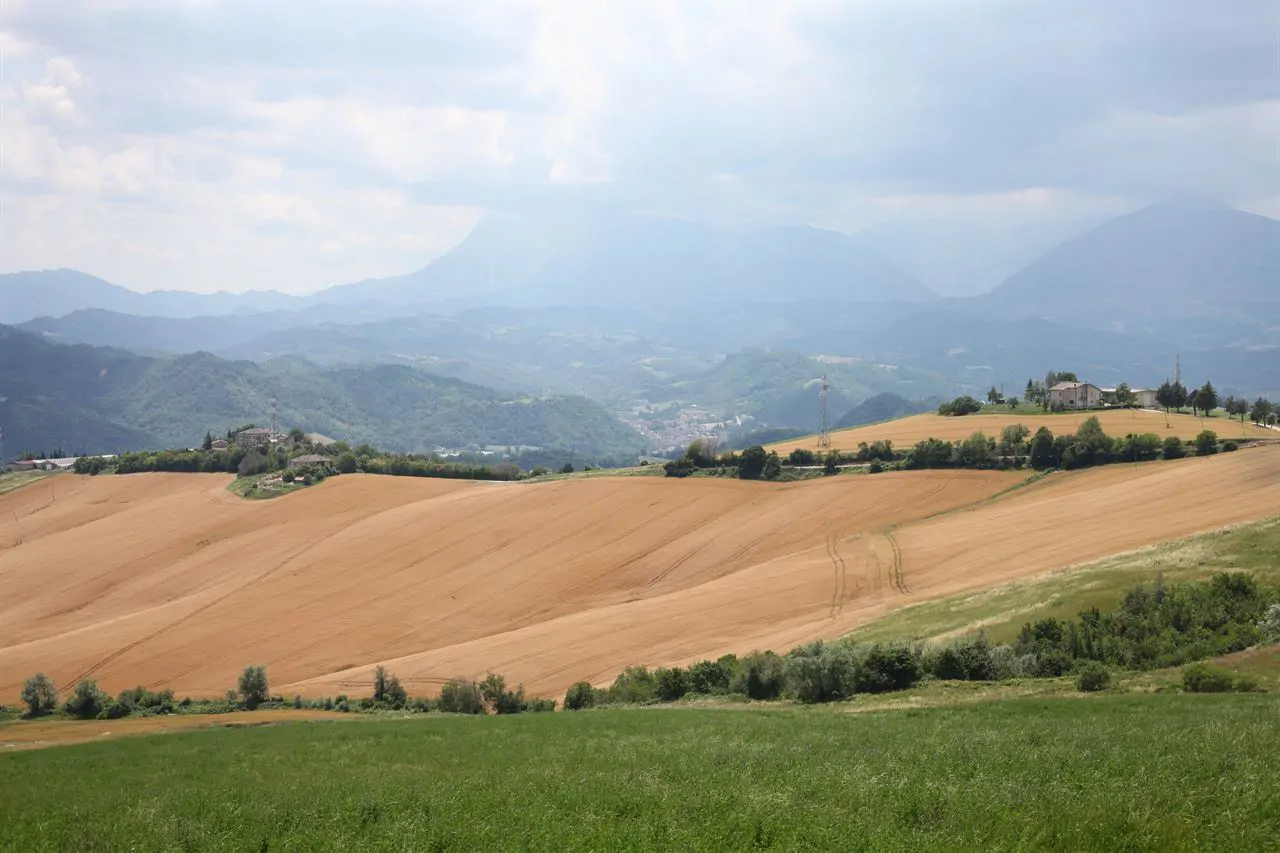
The Marche are the only Italian region with a plural name, and the reason is historical: they were the border marches of the Holy Roman Empire, three or four different territories put together. It still shows. There is no dominant capital but a dozen medium-sized towns, each with an old centre, each half an hour from the next.
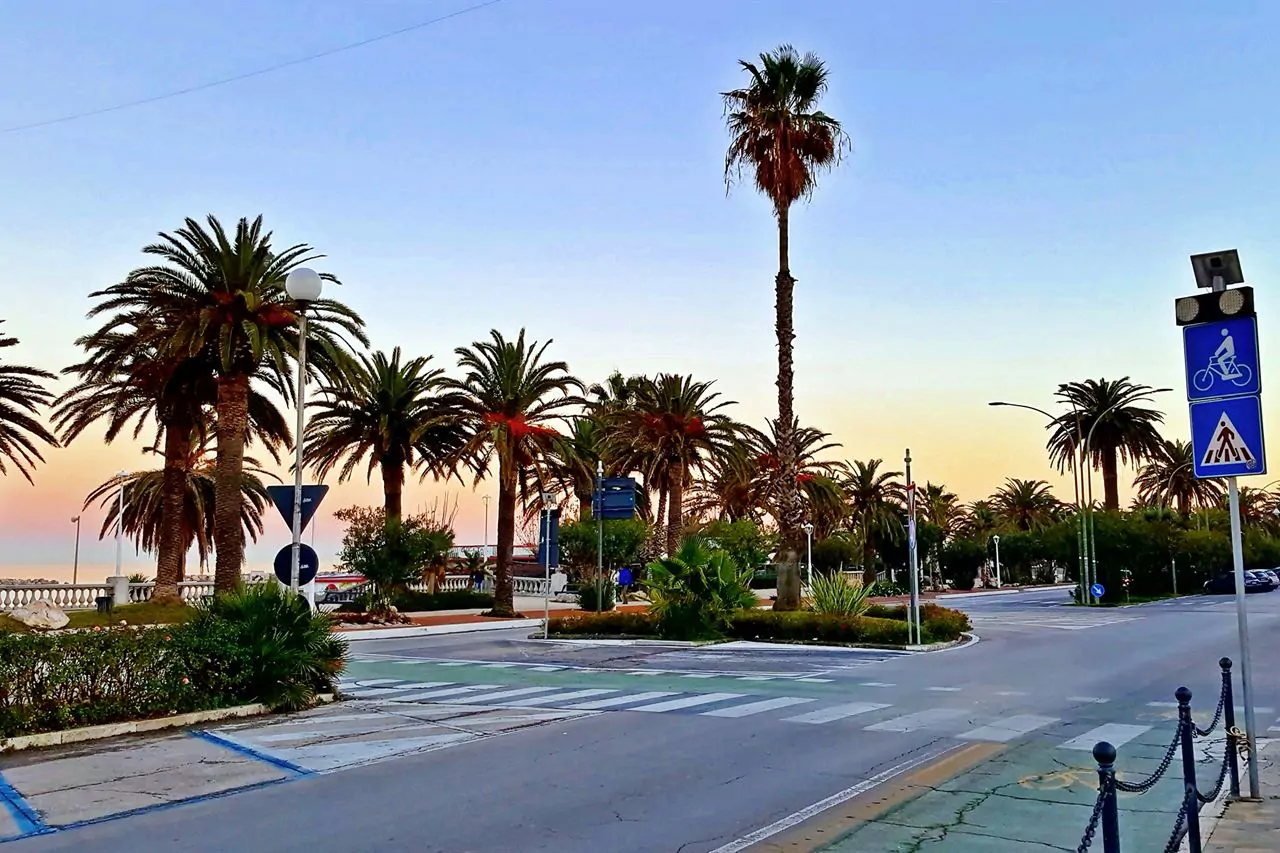
How it is laid out
The pattern is always the same: parallel valleys running down from the Apennines to the sea, separated by ridges. Each valley has a river, a road and a line of villages halfway up the slope. The coast is almost all low and sandy, except in one place: the Conero, where a five-hundred-and-seventy-two-metre mountain drops straight into the water, and for twenty kilometres the beaches turn to white shingle and are reached on foot or by boat.
Where the campsites are
On the coast, and of two kinds. North and south of the Conero are the large villages, with a serviced beach in front and the railway behind: Senigallia, Marotta, Porto Sant'Elpidio, Cupra, San Benedetto. On the Conero they are few, small and inside the park, mostly under pines. Inland there are a handful near the lakes and the Sibillini, nearly all seasonal.
Here every valley is its own world, and the next village already speaks a little differently.
How the Marche are explained to newcomers
How to plan it
The whole coast can be driven in an hour and a half, and the Adriatic railway stops in nearly every seaside town: many campsites are a walk from a station. For the interior you go up one valley at a time, and it is worth choosing one: from Senigallia to Frasassi and Jesi, from Fano to Urbino, from Civitanova to Macerata and the Sibillini, from San Benedetto to Ascoli.
Summer on the coast is busy but never as busy as in Romagna, and the prices reflect that. In June and September there is room everywhere and the sea is the same.